The Comprehensive Guide to Picking the Best Carp Rods for Every Fisherman
Picking the right carp rod is essential for effective angling. Multiple factors influence this decision, including length, action, and material. Each element serves a crucial role in performance. Anglers must also consider their individual fishing style and conditions. With multiple options available, making the right choice can be overwhelming. Grasping these fundamentals can lead to a more rewarding experience on the water. However, the journey to finding the perfect rod commences with a closer look at the basics.
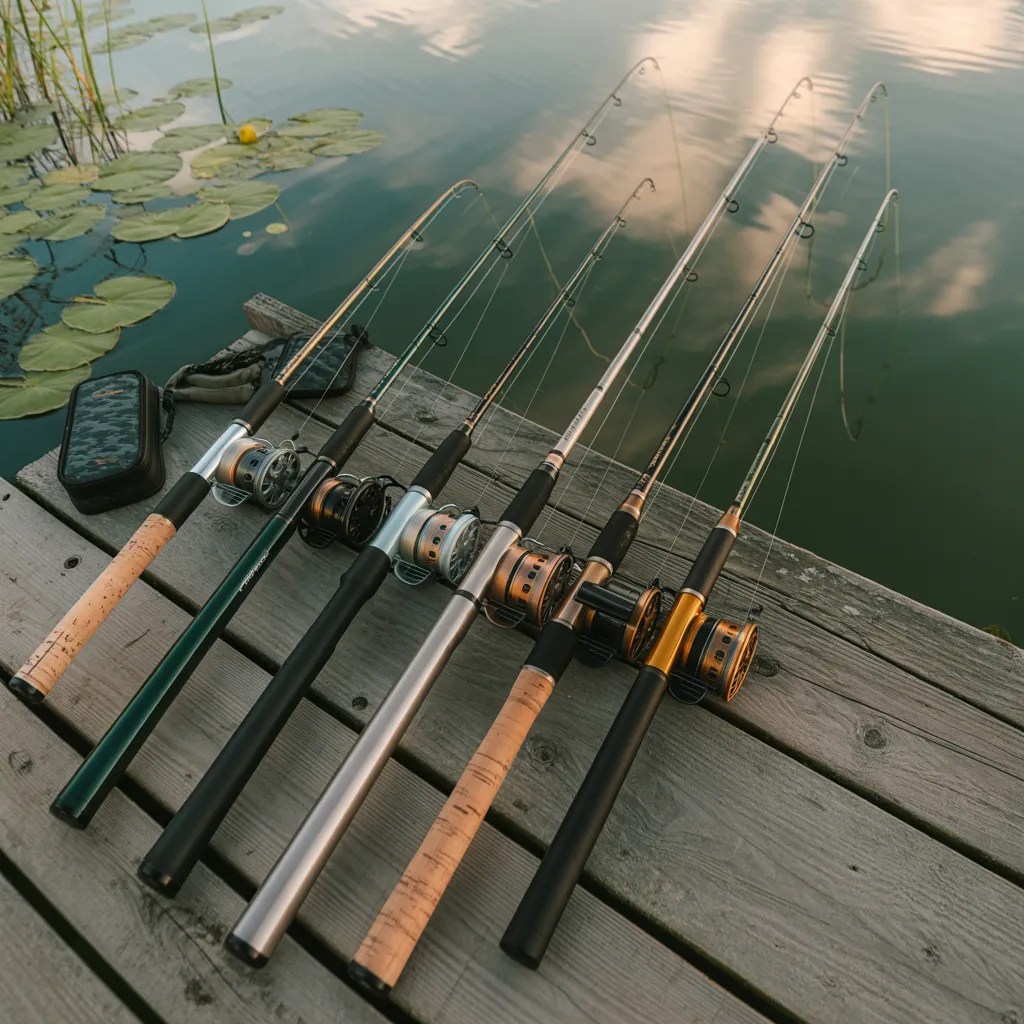
Grasping Carp Rod Basic Principles: Length, Action, and Power
When selecting carp rods, grasping the essentials of length, action, and power is critical for securing the best performance on the water. The length of a carp rod typically ranges from 10 to 13 feet, with longer rods offering better casting distance and leverage, while shorter rods offer greater control in tight spaces. Action describes how the rod bends under load; a fast action rod bends near the tip, enabling quick hook sets, while a slow action rod flexes throughout, giving a more forgiving fight with the fish. Power, measured in regard to weight capacity, categorizes rods into light, medium, and heavy ratings, shaping the angler's ability to handle diverse carp sizes and fishing conditions. Comprehending these three elements assures anglers choose a rod that not only fits their personal fishing style but also improves their overall experience on the water.
Why Rod Action Matters in Carp Fishing
Though the action of a carp rod may look like a minor detail, it fulfills a critical role in deciding an angler's success on the water. Rod action defines how much and where a rod bends when pressure is applied, considerably affecting the angler's ability to cast, control, and land fish.
You'll find three main types of rod action: fast, medium, and slow. Fast action rods curve mostly at the tip, offering quick response and sensitivity, which is ideal for detecting delicate bites. Medium action rods provide a balance, permitting for both casting distance and sufficient fish control. Slow action rods flex throughout the entire length, making them more forgiving, particularly useful for beginners or when targeting larger carp.
Picking the appropriate rod action makes certain that anglers can efficiently control their tackle and adapt to the dynamic nature of carp fishing, ultimately improving their total experience on the water.
Selecting the Right Material for Carp Rods: Benefits and Drawbacks
Selecting the right material for carp rods is crucial, as it substantially impacts performance, durability, and total fishing experience. Two primary materials lead the market: graphite and fiberglass.
Graphite rods are known for their responsive feel and light weight, permitting anglers to pick up on subtle bites and cast with ease. That said, they can be more fragile, causing them to be at risk of breakage under severe conditions.
On the other hand, fiberglass rods provide increased durability and flexibility, which can be useful when tackling larger fish. They absorb shock more effectively, lowering the risk of damage during vigorous fights. However, fiberglass rods are usually heavier and less sensitive when compared with their graphite counterparts.
At the end of the day, the choice between graphite and fiberglass relies on the angler's personal preferences, fishing technique, and the specific conditions they plan to encounter. Each material has its own set of benefits and drawbacks, making careful consideration essential.
Picking the Ideal Carp Rod Length for Your Angling Approach
Finding the right carp rod length can substantially impact an angler's success on the water, as it directly affects casting distance, control, and overall fishing technique. Typically, carp rods vary from 10 to 13 feet, with longer rods delivering increased casting range, which is helpful for reaching distant spots. Shorter rods, on the other hand, deliver enhanced control and sensitivity, making them ideal for close-quarters fishing or tight spaces.
In selecting rod length, an angler's fishing style plays an important role. Those who enjoy long-range casting may choose rods around 12 to 13 feet, while those who fish in riverbanks or smaller lakes might opt for 10 to 11 feet. In addition, the rod's action and power should complement the chosen length, ensuring top performance. Ultimately, understanding one's preferences and fishing conditions will guide anglers to pick a rod length that enhances their total experience on the water.
Planning Your Carp Rod Budget
While establishing a budget for carp rods, anglers must carefully consider their fishing requirements and preferences, as this decision can significantly affect their overall experience. A properly established budget aids in narrowing down alternatives, ensuring that anglers identify a rod that not only fulfills their needs but also aligns with their financial constraints.
Usually, carp rods can vary from cost-effective entry-level models to professional-grade professional gear. It is vital for anglers to evaluate the features that matter most to them, such as rod material, action, and length, as these components can shape the price.
Furthermore, earmarking funds for accessories including reels and lines is essential, as they improve the rod's performance. By defining a clear budget, anglers can make smart decisions that enhance their fishing experience without overspending, ultimately leading to greater satisfaction and success on the water.
Premier Carp Rod Brands You Need to Know
After establishing a budget, fishermen can explore the leading brands that present quality carp rods tailored to various fishing styles and preferences. One exceptional brand is Shimano, renowned for its cutting-edge designs and robust materials, making it a favorite among serious anglers. Another respected option is Nash, which focuses on high-performance rods that suit competitive and recreational fishermen alike. For those seeking affordability without sacrificing quality, Abu Garcia provides a range of trustworthy rods that fit various skill levels. Additionally, Fox International supplies specialized carp rods designed for specific fishing conditions, providing versatility in tackle choices. Finally, Daiwa is distinguished by its cutting-edge technology and craftsmanship, engaging both seasoned veterans and newcomers. Each of these brands brings unique features and advantages, helping anglers to find the right carp rod that meets their fishing needs.
Care Guidelines to Prolong Your Carp Rod's Longevity
Keeping carp rods is vital for guaranteeing their lifespan and functionality. A routine cleaning schedule helps removing dirt and debris, while proper storage techniques shield the rod from damage. Adopting these practices can substantially extend the longevity of any carp rod.
Standard Maintenance Protocol
Regular cleaning is crucial for increasing the lifespan of carp rods. Regular maintenance not only preserves the rod's appearance but also secures its performance. Following every fishing session, anglers should clean their rods with fresh water to remove debris, salt, and mud. A soft cloth can be used to dry the rod, emphasizing the guides and reel seat to prevent corrosion. For persistent stains, a mild soap solution may be applied, followed by thorough rinsing. Reviewing the rod for any signs of wear or damage during cleaning enables early intervention. Additionally, confirming that the rod is completely dry before storage avoids mold and mildew, ultimately boosting its longevity and performance over time.
Correct Storage Methods
Appropriate storage techniques play a vital role in preserving the integrity and functionality of carp rods after they have been cleaned. Anglers should store rods vertically in a dedicated rack or rod holder to avoid bending or warping. If space is limited, a rod tube can deliver additional protection. It is essential to keep rods away from direct sunlight, as UV rays can degrade materials over time. Humidity should also be dive in checked; a cool, dry environment is ideal to avoid mold and corrosion. Finally, verifying that all guides and reel seats are free from dust and debris can further extend the lifespan of the equipment. By following these practices, anglers can preserve their carp rods in prime condition for future use.
Frequently Asked Questions
What Are the Best Rod Holders for Carp Fishing?
The top rod holders for carp fishing include durable bank sticks, adjustable rod pods, and dedicated bite alarms. These options ensure secure positioning, ease of use, and functionality, enhancing the overall angling experience for carp anglers.
What's the Best Way to Transport My Carp Rods Safely?
To transport carp rods safely, fishing enthusiasts should employ cushioned rod sleeves or hard shell cases to shield from potential damage. Securing rods in a vehicle with straps avoids displacement, while disassembling them lowers the chance of damage.
Can I Use Baitcasting Reels With Carp Rods?
Indeed, baitcasting reels can be employed with carp rods. However, anglers should take into account the rod's action and power, as well as the specific fishing conditions, to guarantee optimal performance and tackle compatibility for carp fishing.
Which Accessories Improve Carp Rod Performance?
Equipment like high-quality reels, braided lines, rod pods, and bite alarms significantly improve carp rod performance. Additionally, employing proper bank sticks and landing nets guarantees a more efficient and enjoyable fishing experience for anglers.
What Specific Knots Should You Use for Carp Fishing?
When fishing for carp, the Improved Clinch knot and the Palomar knot are strongly suggested. Such knots deliver dependable and robust connections, ensuring the line remains secure when under tension, which is crucial for effectively catching large carp.